


Understanding Neurotoxins Mechanisms A Comprehensive Guide
- STL_Injector

- Feb 16
- 4 min read
Neurotoxins affect the nervous system in ways that can be both harmful and useful. They interfere with nerve signals, sometimes causing damage, but also offering medical benefits when used carefully. Understanding how neurotoxins work helps us grasp their impact on health, safety, and medicine. This guide explains the mechanisms behind neurotoxins, their types, effects, and answers common questions.
Table of Contents
How Neurotoxins Affect the Nervous System
Types of Neurotoxins and Their Sources
Mechanisms of Action: How Neurotoxins Work
Examples of Common Neurotoxins
Medical and Environmental Implications
Safety and Prevention
Frequently Asked Questions
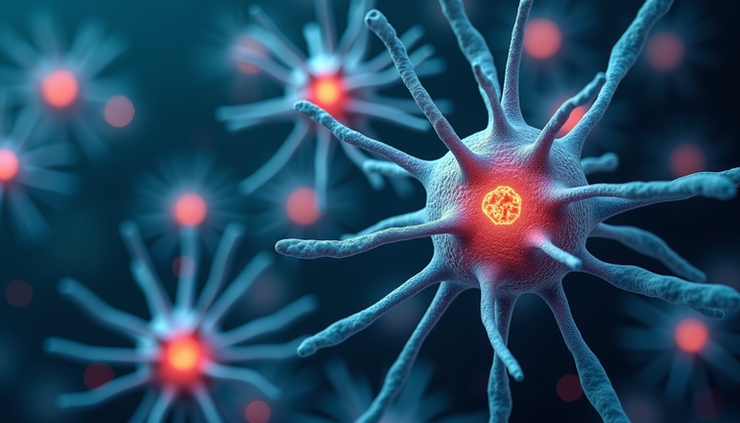
How Neurotoxins Affect the Nervous System
Neurotoxins target the nervous system, which includes the brain, spinal cord, and nerves. They disrupt communication between nerve cells by interfering with electrical signals or chemical messengers called neurotransmitters. This disruption can cause symptoms ranging from mild numbness to paralysis or even death, depending on the toxin and exposure level.
The nervous system relies on precise signaling to control movement, sensation, and vital functions. Neurotoxins can block or mimic neurotransmitters, damage nerve cells, or alter nerve signal transmission. These effects explain why neurotoxins are powerful agents in both natural defense and medical treatment.
Types of Neurotoxins and Their Sources
Neurotoxins come from various natural and synthetic sources. Some are produced by animals, plants, bacteria, or fungi, while others are man-made chemicals.
Animal neurotoxins: Found in venom from snakes, spiders, scorpions, and marine animals like cone snails and pufferfish. For example, tetrodotoxin from pufferfish blocks nerve signals.
Bacterial neurotoxins: Produced by bacteria such as Clostridium botulinum (botulinum toxin) and Clostridium tetani (tetanus toxin).
Plant neurotoxins: Compounds like strychnine and ricin interfere with nerve function.
Synthetic neurotoxins: Chemicals like pesticides and nerve agents designed to disrupt nerve activity.
Each type has a unique way of affecting nerve cells, but all interfere with normal nervous system function.
Mechanisms of Action How Neurotoxins Work
Neurotoxins disrupt nerve function through several key mechanisms:
Blocking ion channels: Nerve signals depend on ions moving in and out of cells. Some neurotoxins block sodium or calcium channels, preventing signals from traveling. Tetrodotoxin blocks sodium channels, stopping nerve impulses.
Inhibiting neurotransmitter release: Neurotoxins like botulinum toxin prevent the release of acetylcholine, a neurotransmitter essential for muscle movement. This causes muscle paralysis.
Mimicking neurotransmitters: Some toxins imitate neurotransmitters, causing overstimulation or blocking receptors. For example, alpha-bungarotoxin binds to acetylcholine receptors, blocking nerve signals.
Enzyme inhibition: Certain neurotoxins inhibit enzymes that break down neurotransmitters, leading to excessive nerve stimulation. Organophosphate pesticides inhibit acetylcholinesterase, causing nerve overstimulation and toxicity.
Damaging nerve cells: Some toxins cause direct damage to nerve cells, leading to cell death and long-term neurological problems.
Understanding these mechanisms helps researchers develop treatments and safety measures.
Examples of Common Neurotoxins
Here are some well-known neurotoxins and how they affect the nervous system:
Botulinum toxin: Produced by Clostridium botulinum, it blocks acetylcholine release, causing muscle paralysis. Used medically to treat muscle spasms and cosmetically to reduce wrinkles.
Tetrodotoxin: Found in pufferfish, it blocks sodium channels, stopping nerve signals and causing paralysis.
Strychnine: A plant toxin that blocks inhibitory neurotransmitters, leading to severe muscle spasms.
Ricin: A plant toxin that inhibits protein synthesis in cells, including nerve cells, causing cell death.
Organophosphates: Chemicals in some pesticides that inhibit acetylcholinesterase, leading to nerve overstimulation and poisoning.
These examples show the range of neurotoxin effects, from deadly poisons to therapeutic agents.

Medical and Environmental Implications
Neurotoxins have both risks and benefits. Exposure to harmful neurotoxins can cause poisoning, neurological diseases, or death. For example, pesticide poisoning affects millions worldwide, especially in agricultural communities.
On the other hand, some neurotoxins have medical uses. Botulinum toxin treats muscle disorders, migraines, and excessive sweating. Researchers study neurotoxins to develop new drugs for neurological diseases.
Environmental contamination by neurotoxins, such as heavy metals or pesticides, poses a public health challenge. Monitoring and regulation help reduce exposure risks.
Safety and Prevention
Preventing neurotoxin exposure involves:
Using protective gear when handling chemicals or working in high-risk environments.
Properly storing and disposing of pesticides and toxic substances.
Avoiding consumption of known toxic animals or plants without proper preparation.
Following medical advice when using neurotoxin-based treatments.
Awareness and education are key to minimizing accidental poisoning and health risks.
Frequently Asked Questions
What symptoms indicate neurotoxin poisoning?
Symptoms vary but often include muscle weakness, numbness, paralysis, difficulty breathing, and confusion. Immediate medical attention is critical.
Can neurotoxins be treated?
Some neurotoxin effects can be treated with antitoxins, supportive care, or medications. Early treatment improves outcomes.
Are all neurotoxins dangerous?
Not all neurotoxins cause harm at low doses. Some are used safely in medicine. The dose and exposure method determine risk.
How do doctors use botulinum toxin safely?
Doctors use precise doses and injection techniques to target specific muscles, minimizing side effects.
Can neurotoxins cause long-term damage?
Yes, some neurotoxins cause lasting nerve damage or neurological disorders, especially with high or repeated exposure.
Comments